

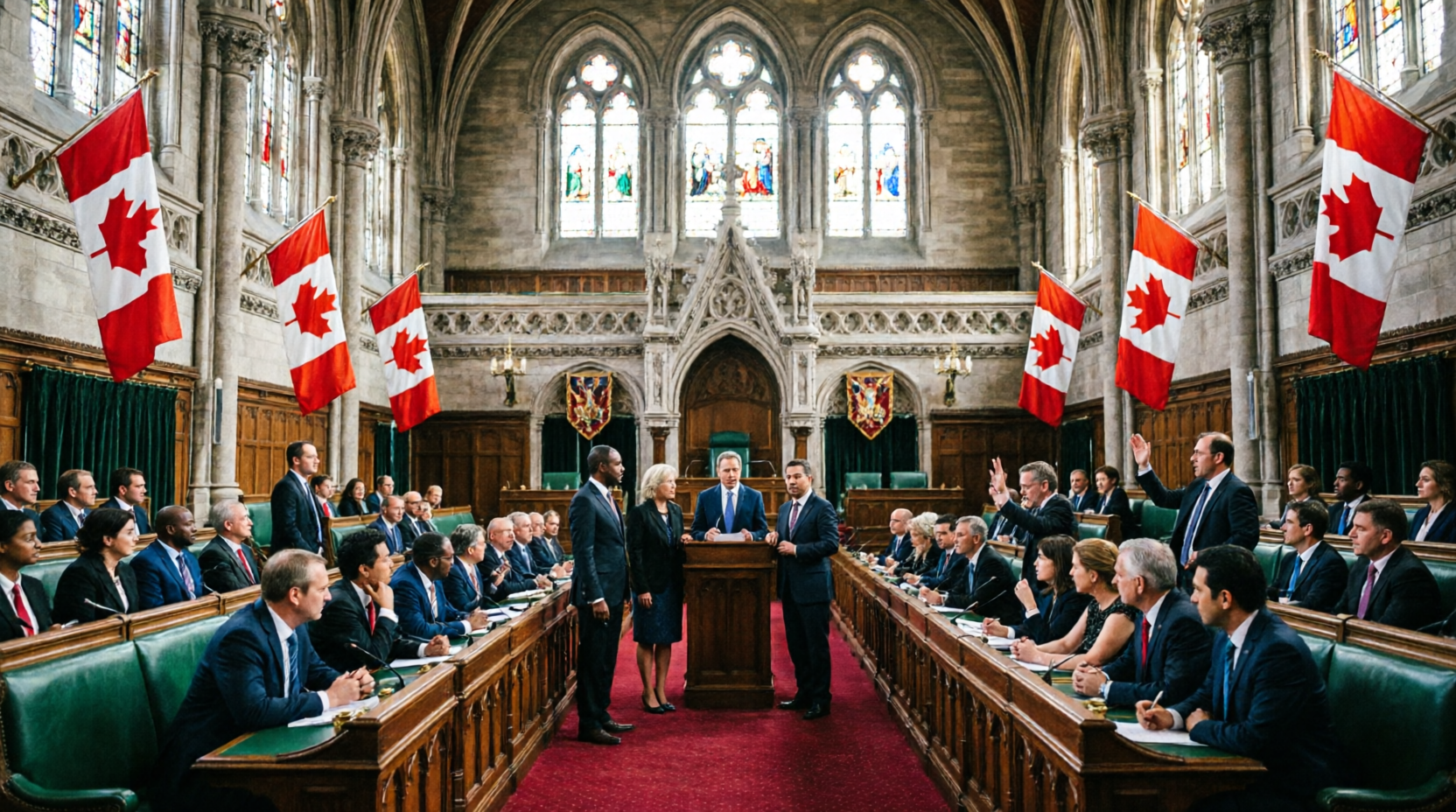
In defense of its policy, the federal government has steadfastly maintained that the price on pollution is the most economically efficient mechanism to drive down emissions while fostering innovation in the clean economy. Government ministers have repeatedly highlighted the Canada Carbon Rebate, emphasizing that the majority of households receive more money back through the quarterly rebate than they pay in direct and indirect carbon costs. The Environment Minister presented data during the debate showing that the policy has successfully contributed to a measurable decline in national emissions without derailing overall economic growth. Furthermore, the government argues that maintaining a predictable carbon price is essential for attracting the massive private sector investments required to build a competitive, net-zero economy by 2050.
Advertisement
The parliamentary challenge has also exposed significant regional tensions. Members of Parliament from Alberta and Saskatchewan have been particularly vocal, arguing that the federal policy disproportionately targets the energy sector, which is the lifeblood of their provincial economies. They have echoed their respective provincial governments’ threats of continued legal and political resistance to the federal backstop. In contrast, representatives from Quebec and British Columbia have generally expressed support for strong federal climate action, though some have raised questions about the harmonization of federal and provincial systems to avoid duplicative regulatory burdens.
As the debate moves to the committee stage, the political stakes are exceptionally high. The government is attempting to navigate a narrow path, defending the core integrity of its climate plan while remaining responsive to legitimate concerns about affordability and regional economic impacts. The opposition’s challenge ensures that climate policy will remain a dominant and highly polarized issue in the national discourse. Ultimately, the outcome of this parliamentary confrontation will not only shape the immediate legislative landscape but also serve as a critical indicator of how Canadian voters will weigh environmental imperatives against economic anxieties in the lead-up to the next federal election.