

Home Business
Category:

Business

Advertisement

The Canadian economy has demonstrated robust resilience and steady growth in the first quarter of 2026, according to the highly anticipated Spring Economic Update released today by the Department of Finance. Defying earlier global pessimism, Canada’s economic indicators paint a picture of a nation successfully navigating international headwinds through strategic policy, diversified industries, and a dynamic labor market.

The report highlights a solidified GDP growth rate of 2.1 percent for the quarter, outperforming several major G7 counterparts. This growth has been broadly based, driven by strong domestic consumption, a resurgence in business investment, and a notable expansion in the export sector. The Finance Minister noted that this performance is a direct result of the government’s targeted fiscal policies, which have successfully stimulated productivity without reigniting inflationary pressures.

“Today’s numbers confirm what Canadians are feeling on the ground: our economy is strong, adaptable, and moving in the right direction,” the Finance Minister stated during the briefing in Ottawa. “By investing in our people, our infrastructure, and our innovation sectors, we have built an economy that can withstand global shocks and deliver tangible benefits to families across the country.”

A standout feature of the Spring Update is the exceptional strength of the labor market. The economy added 45,000 net new jobs in the first quarter, pushing the national employment rate to a record high for this time of year. Wage growth has remained steady at 3.5 percent, outpacing the current inflation rate and resulting in a genuine increase in real purchasing power for Canadian workers. This rise in household income has been a primary catalyst for the sustained strength in retail sales and the service sector.

Pages: 1 2

Advertisement

In a landmark demonstration of collaborative federalism, the federal government and the Province of Alberta have reached a comprehensive agreement to advance the modernized West Coast Pipeline Project. Announced jointly by Prime Minister Mark Carney and the Premier of Alberta, the initiative represents a new paradigm in Canadian energy development, balancing economic growth, energy security, and stringent environmental stewardship.

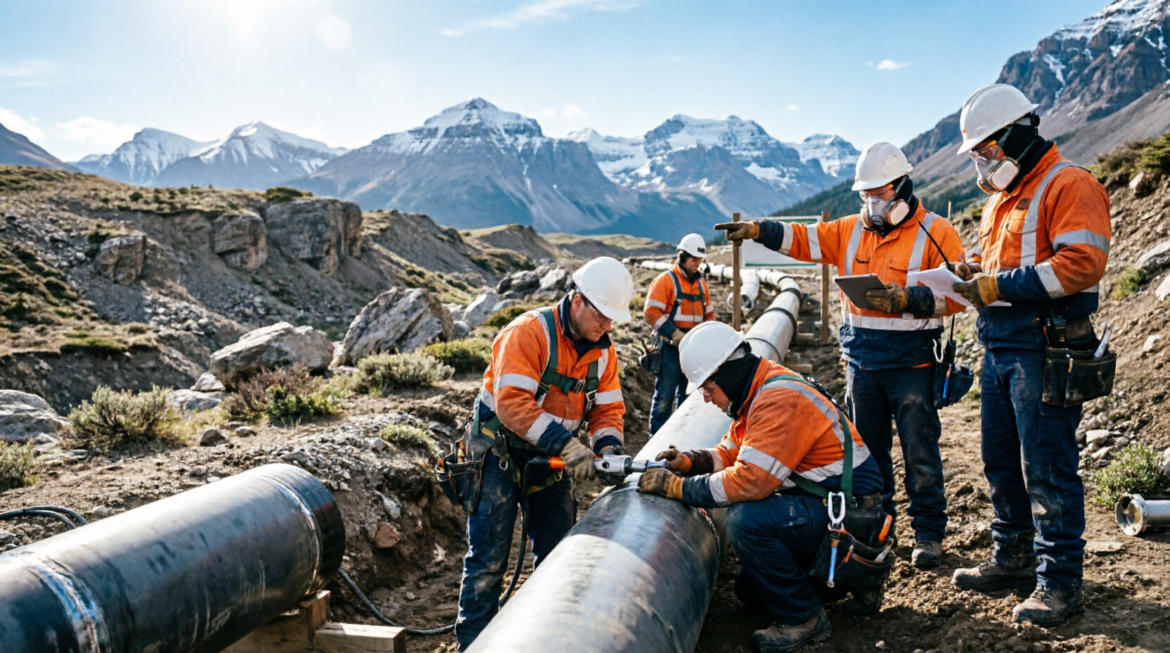
The agreement, finalized after months of constructive dialogue, ensures that the pipeline expansion will proceed with unprecedented levels of environmental protection and Indigenous participation. Unlike legacy energy projects, this iteration of the West Coast Pipeline is designed as a “next-generation” infrastructure asset. It incorporates state-of-the-art leak detection systems, double-walled piping in ecologically sensitive areas, and a mandatory integration of carbon capture and storage (CCS) technologies at key pumping facilities.

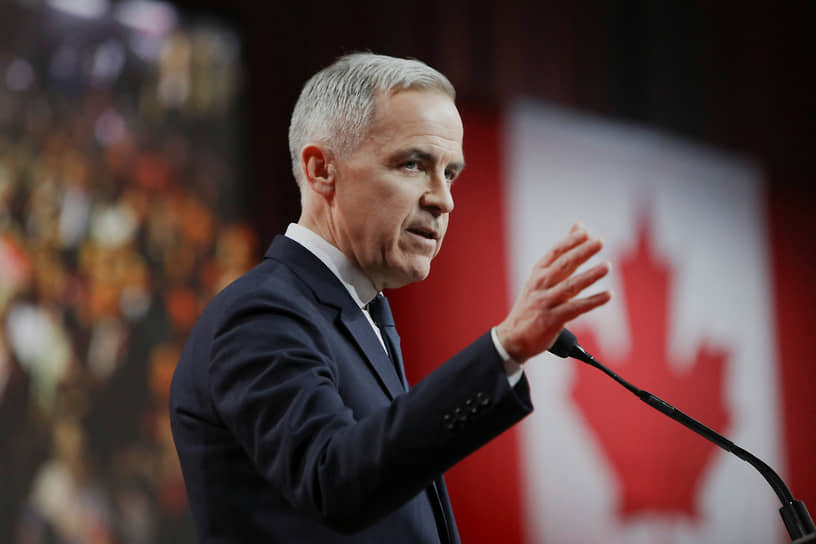
“Canada can be both an energy powerhouse and a global leader in climate action,” Prime Minister Carney stated during the joint press conference in Calgary. “This partnership with Alberta proves that we do not have to choose between economic prosperity and environmental responsibility. By working together, we are building an energy corridor that meets the highest standards of the 21st century.”

A cornerstone of the agreement is the formalization of Indigenous equity partnerships. Several First Nations and Métis communities along the proposed route have secured significant ownership stakes in the project. This model ensures that Indigenous communities are not merely consulted, but are active financial beneficiaries and decision-makers in the project’s lifecycle. This inclusive approach has been widely praised by Indigenous leadership organizations as a blueprint for future resource development in Canada.

Pages: 1 2

Advertisement

Canada’s ambitious Defence Industrial Strategy, introduced by Prime Minister Mark Carney’s government last year, is yielding remarkable economic dividends. According to a comprehensive new report released by the Ministry of Innovation, Science and Industry, the strategy has directly facilitated the creation of 125,000 new jobs across the country. This milestone effectively transforms the defence sector from a specialized niche into a primary engine of national economic growth and technological innovation.

The strategy, internally codenamed “Shield and Engine,” was designed with a dual mandate: to fortify national and continental security, and to catalyze advanced domestic manufacturing. Rather than relying predominantly on foreign procurement, Canada has strategically pivoted toward building sovereign industrial capacity. This shift has necessitated substantial investments in research and development (R&D), the modernization of manufacturing facilities, and the aggressive upskilling of the domestic workforce.

The most significant employment growth has been observed in Ontario, Quebec, and British Columbia, regions that already host established aerospace and advanced electronics clusters. However, the strategy intentionally includes provisions to stimulate economic activity in Atlantic Canada and the Prairie provinces. New regional hubs dedicated to the production of specialized components, maritime technologies, and unmanned aerial systems have successfully diversified the local economic base in these areas.

“These 125,000 jobs represent far more than statistical growth; they are engineers, software developers, skilled tradespeople, and technicians who are actively building Canada’s future,” stated Minister of Defence Bill Blair. “We are demonstrating to the world that national security and economic prosperity are mutually reinforcing. By investing in our defence industrial base, we are simultaneously investing in our technological sovereignty and our workforce’s capabilities.”

Pages: 1 2

Advertisement

Prime Minister Mark Carney officially unveiled a transformative $2 billion federal investment package today, aimed at modernizing and expanding critical infrastructure across Canada’s provinces and territories. Dubbed the “Foundation for Growth” initiative, the program represents a strategic commitment to resolving longstanding regional challenges in transportation, clean water access, and digital connectivity, while simultaneously stimulating local economies and generating thousands of jobs.

Speaking to an audience of municipal leaders, Indigenous representatives, and business stakeholders in Toronto, Prime Minister Carney framed infrastructure not merely as concrete and steel, but as the vital circulatory system of the national economy. “For Canada to maintain its competitive edge in the 21st century, we must ensure that every city, town, and rural community has access to modern, reliable, and sustainable infrastructure,” Carney declared. “This investment is about connecting people to opportunities and building a resilient foundation for future generations.”

The $2 billion fund will be distributed among all ten provinces and three territories using a needs-based formula that accounts for population density, geographic challenges, and specific regional deficits. A significant portion of the funding is earmarked for the rehabilitation and expansion of rural highway networks, addressing logistical bottlenecks that have historically hindered local agricultural and manufacturing businesses from reaching broader markets. Additionally, substantial investments will target the upgrading of water treatment and wastewater systems, with a dedicated focus on eliminating long-term drinking water advisories in Indigenous communities.

A cornerstone of the “Foundation for Growth” initiative is its emphasis on green infrastructure. Approximately 30 percent of the total funding is allocated to projects that actively reduce the national carbon footprint. This includes the deployment of electric vehicle (EV) charging networks along major interprovincial corridors, the modernization of public transit fleets with zero-emission technologies, and the retrofitting of public buildings to achieve higher energy efficiency standards. This approach ensures that economic development proceeds in lockstep with Canada’s ambitious climate objectives.

Minister of Infrastructure and Communities, Sean Fraser, noted that the initiative has already garnered strong bipartisan support from provincial premiers. “We have listened to the concerns of mayors and regional leaders across the country. They do not just want federal funding; they want genuine partnership. This program provides them with the flexibility to prioritize local needs while adhering to rigorous national standards of quality, transparency, and environmental stewardship,” Fraser explained.

Pages: 1 2

Advertisement

In a move widely welcomed by financial markets and business leaders alike, the Bank of Canada announced today that it will maintain its key interest rate at current levels through at least the middle of 2026. The decision, delivered by Governor Tiff Macklem during a press conference in Ottawa, underscores the central bank’s commitment to providing a predictable economic environment for households and enterprises navigating a complex global landscape.

The decision to hold the rate steady follows a thorough review of first-quarter 2026 macroeconomic data, which indicates that inflation has successfully stabilized within the Bank’s target control range of 1 to 3 percent. Recent figures show the annual inflation rate hovering at a manageable 2.4 percent. While this remains slightly above the ideal 2 percent midpoint, the consistent downward trajectory has given policymakers the confidence to pause aggressive monetary tightening. Governor Macklem emphasized that the current priority is no longer aggressively combatting inflation, but rather fostering a stable climate conducive to long-term investment and sustainable consumption.

“Our primary objective at this juncture is to ensure a predictable environment for businesses to finalize long-term projects and for families to plan their financial futures,” Macklem stated. “Abrupt shifts in monetary policy at this stage could disrupt the delicate balance we have achieved between price stability and economic growth. Patience and consistency are our most valuable tools right now.”

Major Canadian financial institutions, including RBC and TD Bank, have publicly endorsed the decision. Economists note that a prolonged period of stable interest rates will allow corporations to optimize their debt structures and reduce refinancing risks. This stability is particularly beneficial for the real estate sector and small-to-medium enterprises (SMEs), which are highly sensitive to borrowing costs and have been actively seeking relief from the volatility of previous years.

Pages: 1 2

Advertisement

Our Company

Company name: Dusk Puma Ltd. 

Official address: 50 Bloor St E, Toronto, ON M4W 3L8, Canada

Phone: +14169782566

E-mail:  info@dusk-puma.com 

Disclaimer

The content on this website is for informational purposes only and does not constitute professional, legal, or financial advice. While we strive for accuracy, news and data may change rapidly; please verify critical information with official sources. Views expressed in opinion pieces belong solely to their authors. This site is not affiliated with any government entity.

© 2026 – All rights reserved