
Home Sports
Category:

Sports

Advertisement

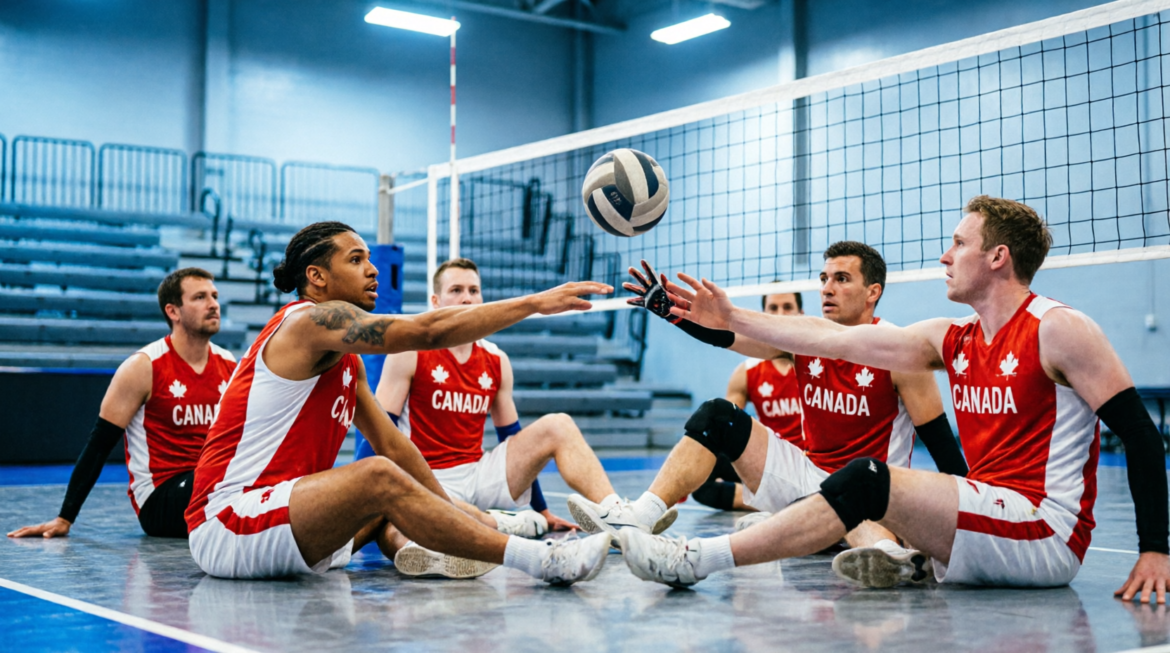
In a landmark achievement for Canadian parasports, the national men’s sitting volleyball team has advanced to the semifinals of the 2026 World Sitting Volleyball Championship in Sarajevo. This historic run marks the first time a Canadian team has reached this stage in the competition’s history, highlighting the rapid growth and professionalization of the sport within the country.

The journey to the semifinals was paved with determination and tactical discipline. In the quarter-final match against reigning European champions Germany, Canada displayed remarkable resilience. Trailing 2-1 in sets, the team rallied to win the next two sets 25-23 and 25-21, securing a 3-2 victory. The match was characterized by intense rallies and spectacular defensive plays, showcasing the athleticism and skill of the Canadian players.

Captain Tyler Miller, who has been with the program for eight years, credited the team’s success to a shift in training methodology. “We’ve moved away from just practicing skills to focusing on game scenarios and mental toughness,” Miller explained. “Our coaching staff has brought in sports psychologists and data analysts to help us understand our opponents better. It’s a professional approach that has elevated our game.”

The rise of sitting volleyball in Canada has been supported by increased funding from Sport Canada and partnerships with provincial organizations. The establishment of dedicated training centers in Ottawa and Vancouver has provided athletes with the resources they need to compete at an elite level. These facilities offer specialized equipment, medical support, and coaching expertise that were previously unavailable.

The team’s success has also had a significant impact on public perception of parasports. Media coverage of the championship has been extensive, with live broadcasts reaching millions of viewers. This visibility has helped to break down stereotypes and highlight the competitive nature of sitting volleyball. Schools and community clubs are reporting increased interest in adaptive sports, inspired by the team’s performance.

Pages: 1 2

Advertisement

The Toronto Raptors have officially announced a significant restructuring of their roster ahead of the 2026-27 NBA season, signaling a bold new direction for the franchise. The changes, which include several high-profile trades and the signing of key free agents, are designed to balance immediate competitiveness with long-term sustainability. General Manager Bobby Webster described the moves as “necessary steps to align with our championship aspirations.”

At the center of the overhaul is the acquisition of versatile forward Marcus Thompson from the Chicago Bulls. Thompson, known for his defensive versatility and three-point shooting, fills a critical gap in the Raptors’ lineup. His arrival is expected to complement the team’s core of Scottie Barnes and RJ Barrett, providing the spacing and defensive switchability that modern NBA offenses demand.

“We looked at the league landscape and realized that to compete at the highest level, we needed more length and shooting on the wing,” Webster stated during the press conference. “Marcus brings exactly that. He fits our system perfectly and raises the ceiling of our starting five.”

In addition to Thompson, the Raptors have signed veteran point guard Chris Paul to a one-year deal. While Paul is in the twilight of his career, his leadership and playoff experience are invaluable assets for a young team looking to make a deep postseason run. His role will likely be that of a mentor and a stabilizer in crunch time, allowing Barnes to focus more on scoring and playmaking without the burden of running the offense exclusively.

The roster changes also involve the departure of several players who were part of the previous rebuild phase. In a trade that sent shockwaves through the league, the Raptors moved former All-Star Pascal Siakam’s successor, Jacob Poeltl, to the Portland Trail Blazers in exchange for draft picks and a young prospect. This move indicates a shift towards asset accumulation and flexibility, allowing the team to remain agile in future trade deadlines.

Head Coach Darko Rajaković expressed optimism about the new lineup. “The energy in the locker room is electric,” he said. “We have a mix of youth and experience that creates a dynamic environment. The players are eager to implement the new systems, and I believe we have the pieces to challenge for the Eastern Conference title.”

Pages: 1 2

Advertisement

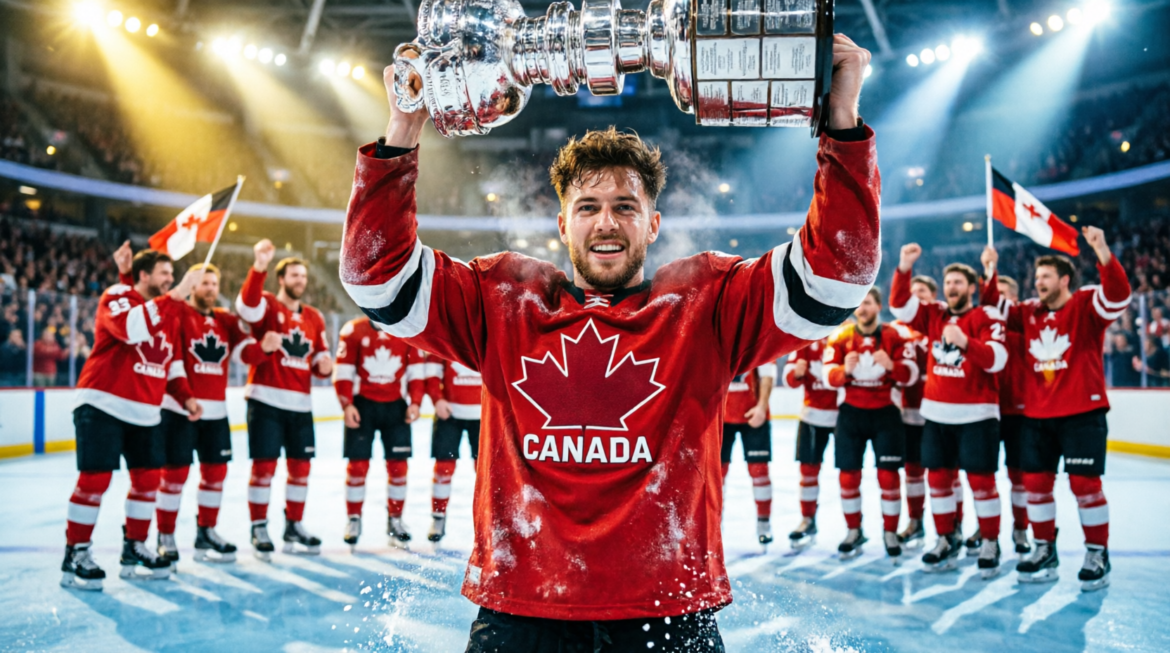
In a thrilling finale that kept fans on the edge of their seats until the final buzzer, Team Canada defeated Sweden 3-2 in overtime to claim the 2026 IIHF World Championship title. At the heart of this victory was Edmonton Oilers captain Connor McDavid, whose leadership and exceptional playmaking abilities proved to be the difference-maker in a tournament characterized by tight defenses and high-stakes pressure.

McDavid, wearing the ‘C’ for the first time in a senior World Championship setting, did not just lead by example; he led by vision. Throughout the tournament, he recorded 18 points in 10 games, but it was his ability to elevate the performance of his linemates that drew the most praise from coaches and analysts alike. In the final match, with the score tied 2-2 in the third period, McDavid orchestrated the game-winning sequence with a level of hockey IQ that reminded observers why he is considered the best player in the world.

“The key was patience,” McDavid explained in the post-game press conference. “Sweden plays a very structured defensive game. We knew we couldn’t force things. We had to wait for the opening, move the puck quickly, and trust that the chance would come. When it did, we were ready.”

The winning goal came from a seamless transition. McDavid retrieved the puck in his own zone, evaded two Swedish forecheckers with a burst of speed, and carried it into the offensive zone. Instead of taking a shot himself, he drew the defense toward him and slipped a no-look pass to teammate Brayden Point, who fired the puck past the goaltender. The assist was typical McDavid: unselfish, precise, and devastatingly effective.

This victory holds special significance for Canadian hockey. After a few years of near-misses in international competitions, the win reaffirms Canada’s status as a powerhouse in the sport. It also highlights the depth of talent available to the national team. With stars like Sidney Crosby retired from international duty, a new generation has stepped up, with McDavid at the helm.

Coach Jon Cooper praised McDavid’s influence beyond the stats. “Connor brings a calmness to the group. When things get chaotic, he slows the game down in his mind. That tranquility is contagious. The younger players look to him, and they play with more confidence because they know he has the situation under control.”

Pages: 1 2

Advertisement

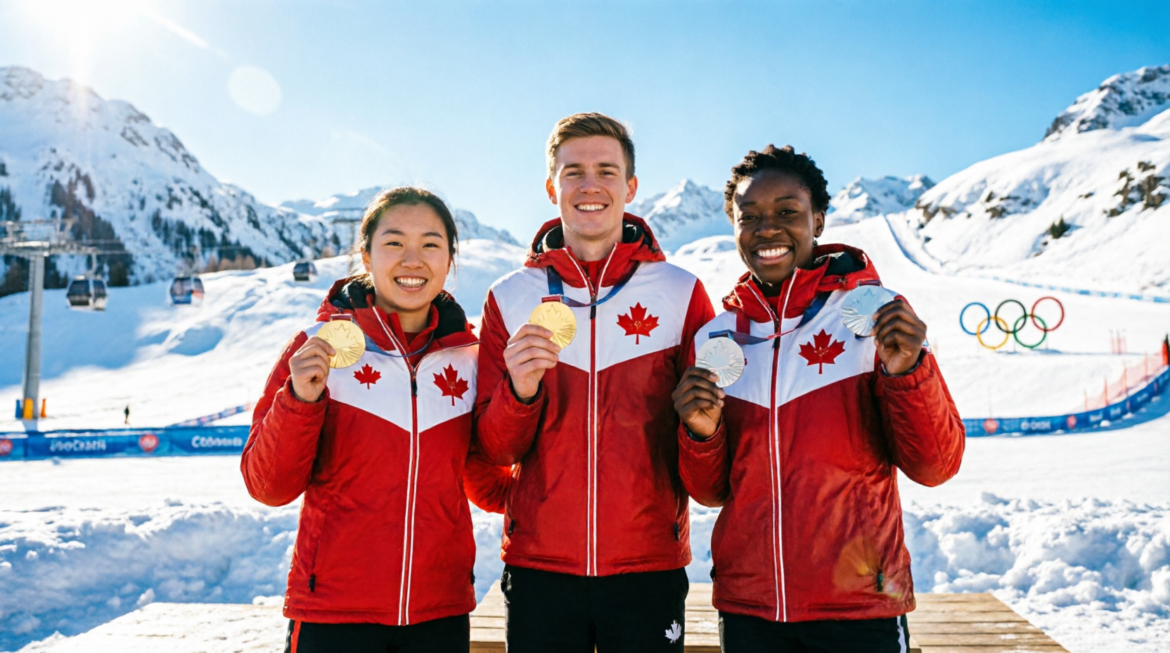
As the closing ceremonies of the 2026 Winter Olympics in Milan-Cortina concluded, Canada finished with a total of 28 medals, including 9 gold, 10 silver, and 9 bronze. While the medal count places Canada firmly among the top five nations globally, the true story of these Games lies in the breadth of success across diverse disciplines and the personal triumphs of athletes who overcame significant odds to reach the world stage.

Traditionally, Canada’s winter success has been anchored in ice hockey, curling, and speed skating. However, the 2026 Games marked a historic expansion into alpine skiing, freestyle aerials, and snowboard cross. This diversification is the result of a long-term investment strategy initiated by Own the Podium and supported by federal funding increases announced in 2024. The strategy aimed to develop talent in niche sports where Canada had previously lacked depth, and the results have been nothing short of remarkable.

One of the standout narratives was the performance of the Canadian alpine skiing team. For decades, Canada has struggled to compete with the European powerhouse nations in technical events. This year, however, young skier Émilie Desforges secured a surprise silver medal in the Giant Slalom, becoming the first Canadian woman to medal in the event since 1998. Her performance was not an isolated incident; three other Canadian skiers finished in the top ten, signaling a new era of competitiveness in the mountains.

“The culture has changed,” said Alpine Canada High Performance Director Gavin MacPherson. “We are no longer just participating; we are contending. The investment in coaching, technology, and athlete wellness has created an environment where success is expected, not just hoped for.”

In freestyle skiing, the Canadian team continued its legacy of dominance. The aerials squad, known for their high degree of difficulty and precision, swept the podium in the mixed team event, a new addition to the Olympic program. This victory was particularly poignant for veteran athlete Lewis Irving, who, after narrowly missing out on gold in previous Games, finally stood atop the podium alongside his teammates. His emotional reaction upon receiving the medal resonated with viewers worldwide, symbolizing perseverance and the spirit of sportsmanship.

Pages: 1 2

Advertisement

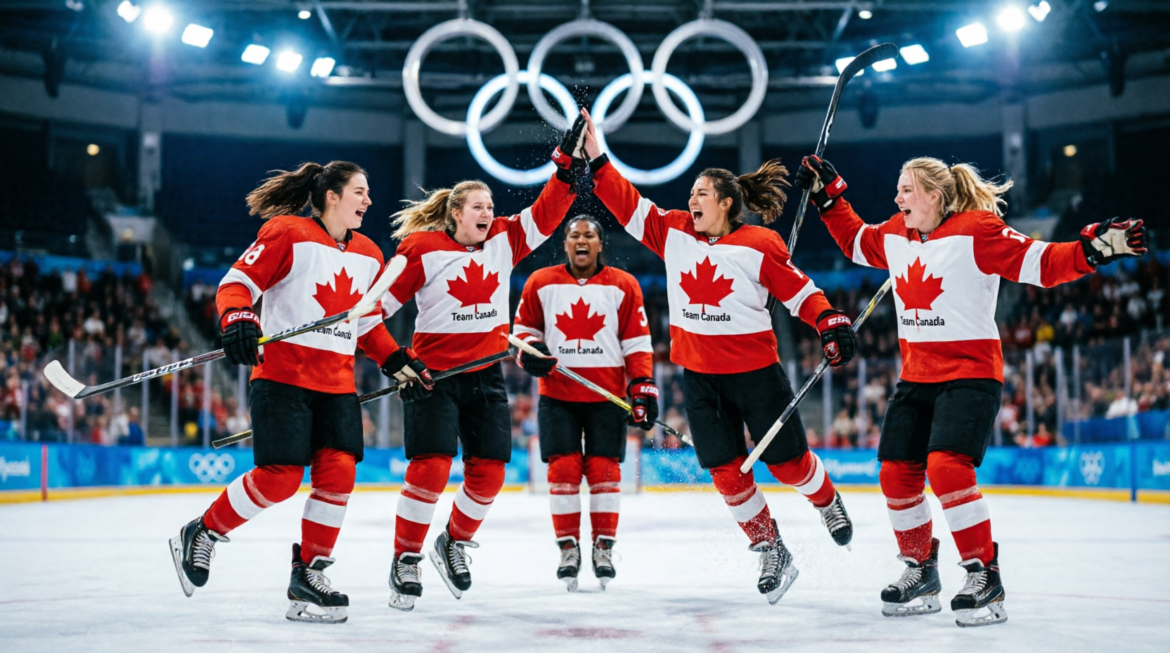
The ice at the PalaItalia in Milan witnessed a masterclass in precision and power this past weekend as the Canadian women’s national hockey team claimed their sixth Olympic gold medal, defeating their arch-rivals in a decisive 4-1 victory. While the final scoreline reflects a comfortable win, the story of the tournament was defined by a specific tactical evolution that has revitalized the program: an unprecedented efficiency on the power play.

Under the guidance of head coach Troy Ryan, who returned to the bench with a renewed focus on special teams dynamics, Team Canada spent the last two years restructuring their offensive strategies. The result was on full display during the semi-final and final matches. Statistics released by the International Ice Hockey Federation (IIHF) show that Canada converted 35% of their power-play opportunities throughout the tournament, a significant jump from the 22% average recorded in the previous Olympic cycle.

“We didn’t just want to have more chances; we wanted to make every second count,” said captain Marie-Philip Poulin, who was named the tournament’s Most Valuable Player. “The coaching staff introduced new formations that allow for quicker puck movement and better screening of the goaltender. It’s about trust and execution, and the girls bought into it completely.”

The turning point of the final match came in the second period. With Canada leading 1-0, a minor penalty against the opposing team gave Canada a crucial man-advantage. Instead of settling for perimeter shots, the Canadian forwards executed a series of rapid passes that collapsed the defense, leading to a deflection goal by rookie sensation Sarah Fillier. This goal effectively broke the psychological resistance of the opponent and set the tone for the remainder of the game.

Pages: 1 2

Advertisement

Our Company

Company name: Dusk Puma Ltd. 

Official address: 50 Bloor St E, Toronto, ON M4W 3L8, Canada

Phone: +14169782566

E-mail:  info@dusk-puma.com 

Disclaimer

The content on this website is for informational purposes only and does not constitute professional, legal, or financial advice. While we strive for accuracy, news and data may change rapidly; please verify critical information with official sources. Views expressed in opinion pieces belong solely to their authors. This site is not affiliated with any government entity.

© 2026 – All rights reserved