
Home Politics
Category:

Politics

Advertisement

Tensions between the federal government and several provincial administrations have reached a new peak over the implementation and scheduled escalation of the federal carbon pricing backstop, reigniting a fundamental debate about economic competitiveness, provincial jurisdiction, and the pace of Canada’s environmental transition. As the carbon price is set to increase according to its legislated schedule, leaders in resource-rich provinces, particularly Alberta, Saskatchewan, and Ontario, have intensified their political and legal resistance, arguing that the policy is economically damaging and constitutionally overreaching. This escalating friction highlights the persistent challenges of crafting and enforcing national environmental policy in a federation with deeply diverse regional economies.

The federal government has remained steadfast in its defense of the carbon pricing mechanism, maintaining that it is the most economically efficient and transparent tool available to reduce greenhouse gas emissions and drive innovation in the clean technology sector. Federal officials consistently point to the revenue-neutral design of the policy, emphasizing that the majority of the funds collected are returned directly to households in the form of the Canada Carbon Rebate. The government argues that this structure ensures that the policy is progressive, protecting low- and middle-income families from financial hardship while still providing a clear market signal to reduce consumption and invest in energy efficiency. Furthermore, Ottawa contends that honoring the scheduled price increases is essential for maintaining credibility with international partners and meeting Canada’s binding commitments under the Paris Agreement.

Provincial leaders, however, vehemently reject the federal narrative, presenting a starkly different assessment of the policy’s impact. They argue that the carbon tax acts as a broad-based levy on everything from heating homes and commuting to work to producing and transporting food, thereby exacerbating the cost-of-living crisis for their residents. Beyond the consumer impact, provincial governments and industry associations warn that the escalating carbon price severely undermines the global competitiveness of energy-intensive, trade-exposed industries, such as manufacturing, agriculture, and oil and gas. Provincial premiers argue that this economic pressure leads to capital flight, job losses, and reduced provincial tax revenues, ultimately harming the very communities the federal government claims to protect.

In response to the federal backstop, several provinces have attempted to implement or propose alternative systems, such as output-based pricing systems for large industrial emitters or technology-focused investment funds. However, the federal government has repeatedly rejected these alternatives, deeming them insufficient to meet the national benchmark for stringency. This rejection has fueled accusations of federal overreach and a disregard for provincial jurisdiction over natural resources and local economic development. In some cases, provincial governments have initiated or threatened further legal challenges, seeking to have the federal carbon pricing legislation struck down by the courts, although previous Supreme Court rulings have upheld the federal government’s constitutional authority to establish minimum national standards for greenhouse gas pricing.


Pages: 1 2

Advertisement

A comprehensive new immigration bill introduced by the federal government has become the focal point of intense political scrutiny, drawing sharp criticism from both ends of the political spectrum as lawmakers debate the delicate balance between economic growth, infrastructure capacity, and social cohesion. The proposed legislation represents a significant philosophical shift in Canada’s immigration framework, moving away from the high-volume growth models of recent years toward a more targeted, sustainable approach. The bill proposes stringent caps on temporary foreign workers and international student permits, while simultaneously creating expedited pathways to permanent residency for individuals possessing skills in critical shortage sectors, notably healthcare, construction, and advanced manufacturing.

The government has framed the bill as a necessary and responsible correction to ensure that Canada’s immigration system serves the long-term interests of the country. Officials argue that the unprecedented population growth of the past few years, while beneficial for mitigating demographic decline and labor shortages, has outpaced the development of essential infrastructure, particularly in housing and healthcare. By recalibrating the system to prioritize permanent, skilled immigrants who can immediately contribute to these critical sectors, the government contends it can sustain economic productivity without exacerbating the affordability crisis. The Minister of Immigration emphasized that the bill is designed to protect the integrity of the system, prevent the exploitation of temporary workers, and ensure that newcomers have a clear, viable pathway to building a life in Canada.

However, the legislation has encountered fierce resistance from the Conservative opposition, which argues that the proposed measures do not go far enough to address the root causes of Canada’s affordability crisis. Conservative critics contend that any level of immigration that continues to outpace housing construction will inevitably drive up rents and home prices, placing an unbearable strain on middle-class families. They have criticized the bill for maintaining what they view as excessively high overall targets and for failing to implement immediate, drastic reductions in temporary resident numbers. Furthermore, the opposition has raised concerns about the bureaucratic inefficiencies within Immigration, Refugees and Citizenship Canada (IRCC), arguing that without significant internal reform, the new expedited pathways will simply result in massive backlogs and prolonged uncertainty for applicants.

Pages: 1 2

Advertisement

A gathering of Canada’s provincial and territorial premiers has culminated in a unified and urgent demand for a structural overhaul of federal healthcare funding, as the nation’s medical system grapples with what leaders are describing as an unsustainable crisis. The meeting, held away from the immediate glare of the federal capital, was characterized by a rare display of interprovincial solidarity. Premiers from across the political spectrum set aside their usual regional differences to present a cohesive front to the federal government, emphasizing that the current model of temporary, conditional top-ups is no longer sufficient to address the systemic failures plaguing emergency rooms, surgical waitlists, and primary care access across the country.

At the heart of the premiers’ demand is a call for a permanent, significant, and unconditional increase to the Canada Health Transfer (CHT). Provincial leaders argue that a predictable, long-term funding commitment is the only way to allow provinces to properly plan, recruit, and retain the healthcare workforce necessary to stabilize the system. The human cost of the current underfunding was a recurring theme throughout the discussions. Premiers shared stark data regarding critical nursing shortages, the closure of rural emergency rooms due to staffing deficits, and the growing phenomenon of “hallway medicine.” They stressed that these are not merely administrative challenges, but immediate threats to public safety and the foundational promise of universal healthcare in Canada.

In addition to the demand for increased base funding, the premiers presented a collaborative framework outlining specific areas where federal investment could yield immediate, measurable improvements. Key priorities include dedicated funding streams for mental health and addiction services, accelerated programs for the credential recognition of internationally educated healthcare professionals, and substantial investments in digital health infrastructure to improve data sharing and reduce administrative burdens on medical staff. The premiers argued that these targeted investments, if paired with a reliable increase to the CHT, would create a more resilient and responsive healthcare system capable of meeting the demands of an aging population.

Pages: 1 2

Advertisement

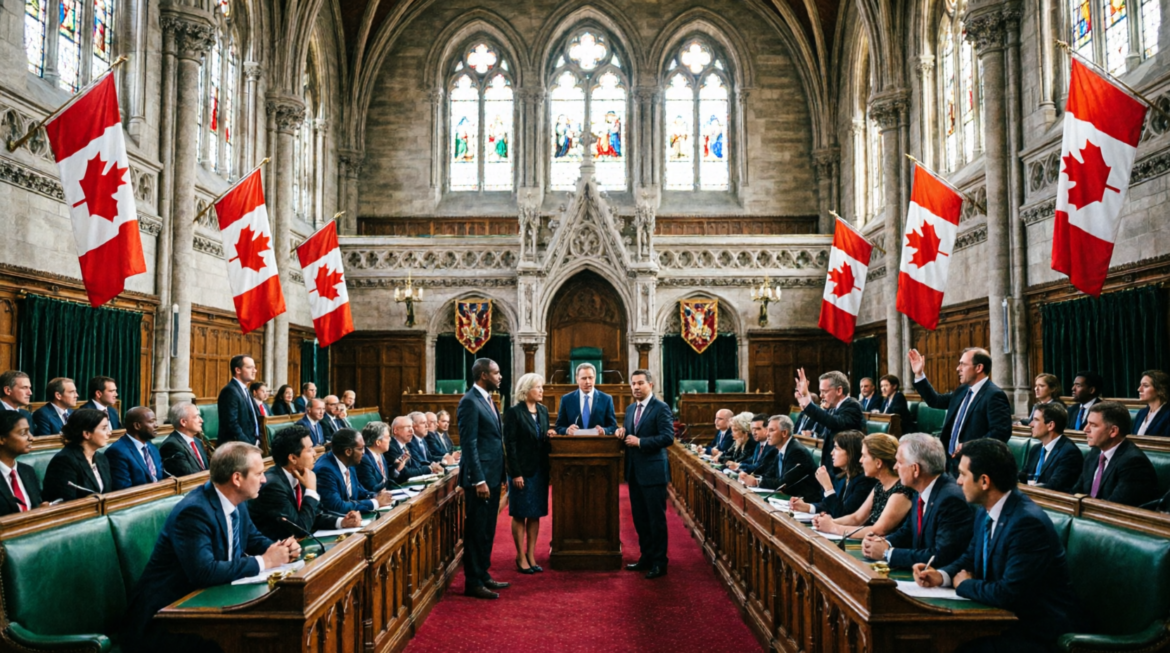
A fierce and multifaceted debate has erupted in the House of Commons as opposition parties launched a coordinated challenge against the federal government’s cornerstone climate policy, centering on the economic impact of the carbon pricing system and the pace of the national emissions reduction strategy. The debate, which spanned several days of heated Question Period and committee hearings, highlights the deep ideological and regional divides that continue to define Canadian environmental politics. Both the Conservative Party and the New Democratic Party have tabled distinct critiques of the government’s approach, albeit from fundamentally different philosophical and economic perspectives, placing the ruling Liberals in a complex political vise.

The Conservative Party’s challenge remains firmly rooted in economic populism and affordability. Party leadership has consistently argued that the escalating carbon tax places an undue burden on middle-class families, small businesses, and the agricultural sector, particularly in rural and resource-dependent regions. During the parliamentary debate, Conservative members presented economic analyses suggesting that the cumulative cost of the carbon price, combined with other regulatory burdens, is driving inflation and reducing the global competitiveness of Canadian industries. The opposition has renewed its calls to completely abolish the consumer carbon price, proposing instead a system of technology-neutral performance standards for large emitters. They argue that this alternative would achieve similar environmental outcomes without directly penalizing consumers at the gas pump or the grocery store, framing the issue as a matter of basic economic fairness and respect for taxpayers.

Conversely, the New Democratic Party has challenged the government’s climate policy from the opposite flank, arguing that it is insufficiently ambitious and fails to adequately protect vulnerable communities from the impacts of both climate change and the economic transition. NDP members have criticized the government for maintaining subsidies for the fossil fuel industry and for not imposing stricter, enforceable caps on industrial emissions. The party has introduced motions calling for a more aggressive “polluter pays” framework, increased federal investment in public transit and green infrastructure, and stronger protections for workers in transitioning industries. The NDP’s critique resonates strongly with environmental advocacy groups and younger voters, who view the current policy as a compromised half-measure that prioritizes corporate interests over ecological urgency.

Pages: 1 2

Advertisement

Prime Minister Justin Trudeau has executed a significant cabinet reshuffle, signaling a strategic pivot as the federal government prepares for a highly consequential fall parliamentary session. The restructuring, which sees the reassignment of several senior ministers and the introduction of new faces to key portfolios, is widely interpreted by political analysts as an effort to stabilize the minority government, address persistent voter concerns regarding the cost of living, and project an image of renewed competence and agility. The changes come at a critical juncture, with the government facing mounting pressure to deliver tangible results on housing affordability, healthcare wait times, and economic productivity ahead of the next federal election.

The most notable change involves the creation of a newly empowered Ministry of Housing and Infrastructure, tasked with cutting through bureaucratic red tape and accelerating the construction of affordable housing units nationwide. The minister appointed to this role brings a background in municipal governance, a deliberate choice by the Prime Minister to bridge the gap between federal funding and local implementation. Additionally, the shuffle includes the promotion of several younger parliamentarians to associate minister roles, a move designed to refresh the government’s public image and demonstrate a commitment to the next generation of leadership. Veteran ministers have been reassigned to roles that leverage their established relationships with provincial counterparts, particularly in the areas of trade and intergovernmental affairs.

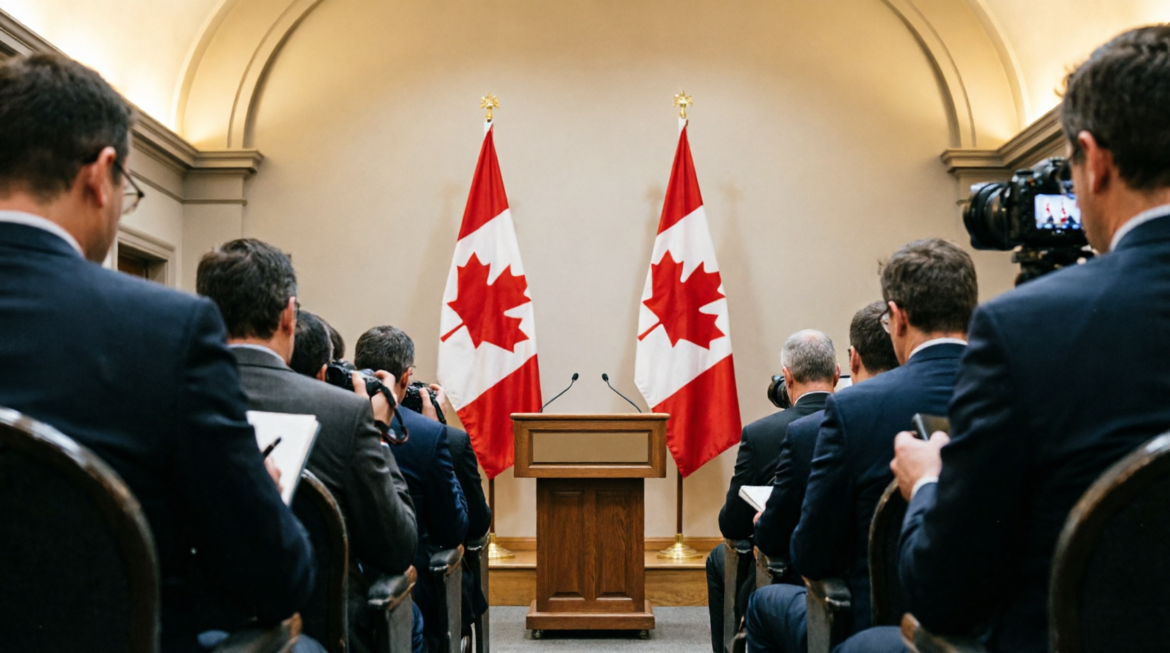
In his address to the caucus and the media, the Prime Minister emphasized that this reshuffle is not a reaction to political turbulence, but a proactive measure to ensure the cabinet is optimally configured to tackle the complex challenges of the current economic landscape. “Canadians expect results, not excuses,” the Prime Minister stated. “This new team is focused, experienced, and entirely dedicated to building an economy that works for everyone, lowering costs for families, and ensuring that Canada remains competitive on the global stage.” The fall agenda is expected to be dominated by legislation aimed at expanding the national pharmacare program, implementing new tax measures to encourage business investment in clean technology, and further refining the federal immigration framework to align with housing and healthcare capacity.

Pages: 1 2

Advertisement

Our Company

Company name: Dusk Puma Ltd. 

Official address: 50 Bloor St E, Toronto, ON M4W 3L8, Canada

Phone: +14169782566

E-mail:  info@dusk-puma.com 

Disclaimer

The content on this website is for informational purposes only and does not constitute professional, legal, or financial advice. While we strive for accuracy, news and data may change rapidly; please verify critical information with official sources. Views expressed in opinion pieces belong solely to their authors. This site is not affiliated with any government entity.

© 2026 – All rights reserved