

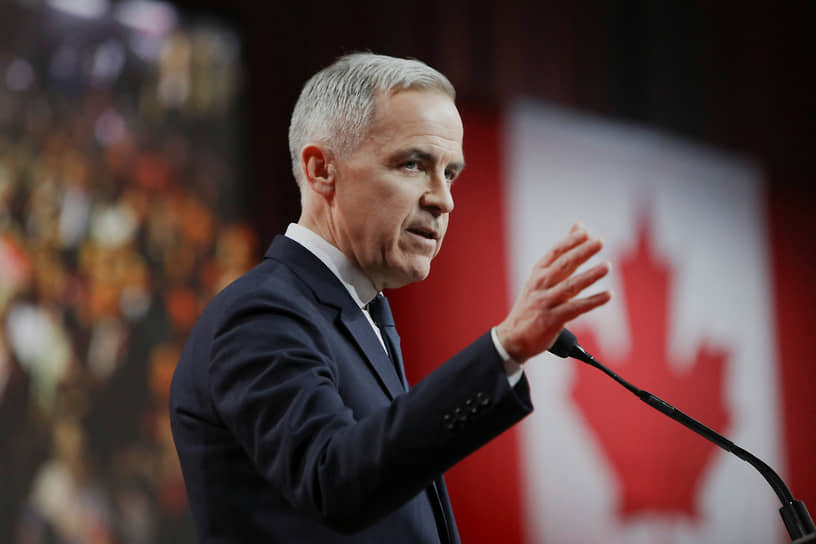
Prime Minister Mark Carney officially unveiled a transformative $2 billion federal investment package today, aimed at modernizing and expanding critical infrastructure across Canada’s provinces and territories. Dubbed the “Foundation for Growth” initiative, the program represents a strategic commitment to resolving longstanding regional challenges in transportation, clean water access, and digital connectivity, while simultaneously stimulating local economies and generating thousands of jobs.
Advertisement
Speaking to an audience of municipal leaders, Indigenous representatives, and business stakeholders in Toronto, Prime Minister Carney framed infrastructure not merely as concrete and steel, but as the vital circulatory system of the national economy. “For Canada to maintain its competitive edge in the 21st century, we must ensure that every city, town, and rural community has access to modern, reliable, and sustainable infrastructure,” Carney declared. “This investment is about connecting people to opportunities and building a resilient foundation for future generations.”
The $2 billion fund will be distributed among all ten provinces and three territories using a needs-based formula that accounts for population density, geographic challenges, and specific regional deficits. A significant portion of the funding is earmarked for the rehabilitation and expansion of rural highway networks, addressing logistical bottlenecks that have historically hindered local agricultural and manufacturing businesses from reaching broader markets. Additionally, substantial investments will target the upgrading of water treatment and wastewater systems, with a dedicated focus on eliminating long-term drinking water advisories in Indigenous communities.
A cornerstone of the “Foundation for Growth” initiative is its emphasis on green infrastructure. Approximately 30 percent of the total funding is allocated to projects that actively reduce the national carbon footprint. This includes the deployment of electric vehicle (EV) charging networks along major interprovincial corridors, the modernization of public transit fleets with zero-emission technologies, and the retrofitting of public buildings to achieve higher energy efficiency standards. This approach ensures that economic development proceeds in lockstep with Canada’s ambitious climate objectives.
Minister of Infrastructure and Communities, Sean Fraser, noted that the initiative has already garnered strong bipartisan support from provincial premiers. “We have listened to the concerns of mayors and regional leaders across the country. They do not just want federal funding; they want genuine partnership. This program provides them with the flexibility to prioritize local needs while adhering to rigorous national standards of quality, transparency, and environmental stewardship,” Fraser explained.