

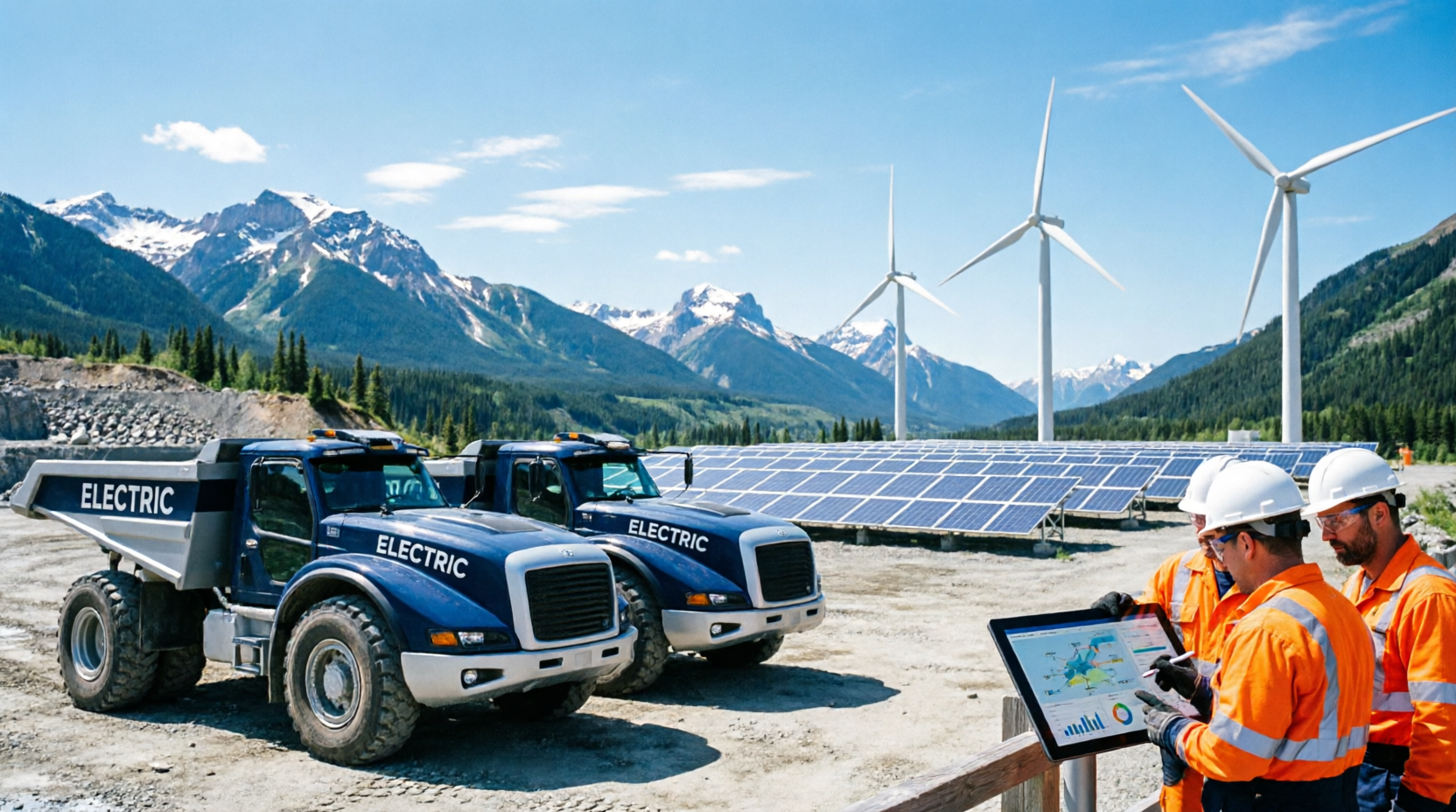
The economic implications for remote and Northern communities are profound. Mining towns that have historically depended on fossil fuels for power and employment are now poised to become hubs of clean energy innovation. The transition plan promises to create new skilled jobs in renewable energy maintenance and grid management, helping to diversify local economies. Yet, there are concerns about the pace of change and the need for retraining programs to ensure that existing workers are not left behind. Labor unions have welcomed the environmental commitments but are insisting on ironclad guarantees for job security and fair wages in the new green economy.
Advertisement
As the company begins implementation, it will face significant technical and logistical hurdles. Building reliable renewable microgrids in remote locations with extreme weather conditions is an engineering challenge that has few precedents at this scale. Supply chain constraints for batteries and specialized equipment could delay timelines and inflate costs. Nevertheless, the announcement sets a new benchmark for the industry. If successful, it could catalyze a wave of similar commitments across the sector, transforming Canadian mining from a climate liability into a climate solution. For the government, supporting this transition through targeted infrastructure funding and streamlined permitting will be essential to realizing the vision of a responsible, competitive, and sustainable resource sector.