

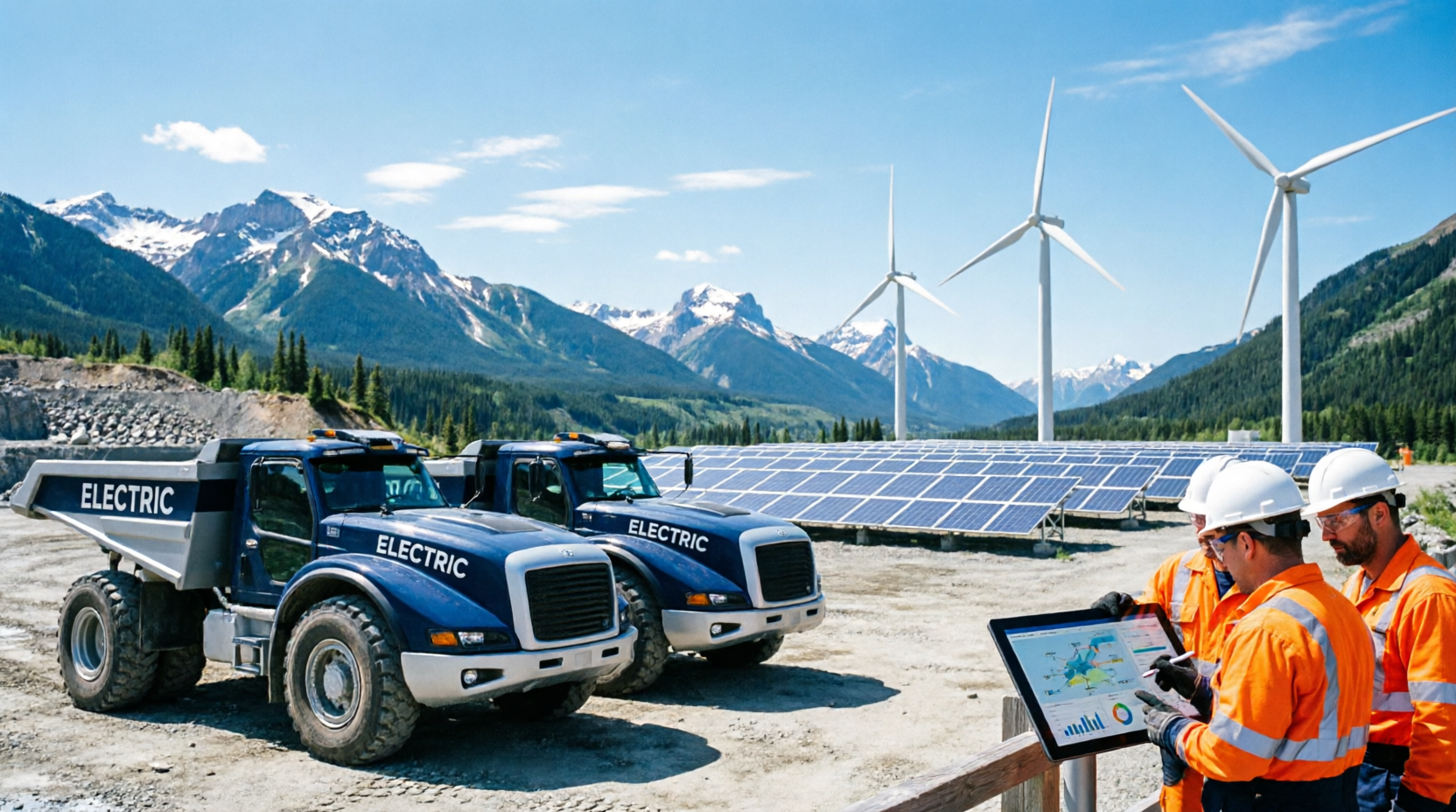
One of Canada’s largest mining conglomerates has unveiled an ambitious green energy transition plan, committing to achieve net-zero emissions across its operations by 2035 and fundamentally reshaping the relationship between resource extraction and environmental stewardship. The comprehensive strategy involves a multi-billion dollar overhaul of energy infrastructure at mine sites, replacing diesel generators with renewable microgrids powered by wind, solar, and battery storage, alongside the electrification of heavy haul trucks and underground equipment. This move represents a pivotal moment for the Canadian mining sector, which has long faced scrutiny over its carbon footprint and is now seeking to redefine itself as a critical enabler of the global clean energy transition.
Advertisement
The announcement is driven by both regulatory pressure and market opportunity. As global supply chains for electric vehicles and renewable energy infrastructure expand, downstream customers—particularly automakers and battery manufacturers—are increasingly demanding low-carbon raw materials. By decarbonizing its operations, the company is securing its license to operate in a world where “green premiums” are becoming a competitive advantage. The plan also includes significant investments in carbon capture and storage (CCS) technologies for processes that cannot be fully electrified, as well as partnerships with Indigenous communities to develop renewable energy projects on or near traditional territories, creating shared economic benefits.
Politically, this transition plan arrives at a complex juncture. The federal government has identified critical minerals as a cornerstone of its economic security strategy, yet permitting processes for new mines and associated infrastructure remain lengthy and contentious. The mining company’s proactive stance on emissions is intended to demonstrate that resource development and climate goals are not mutually exclusive, potentially smoothing the path for regulatory approvals. However, environmental advocates remain skeptical, arguing that true sustainability requires reducing overall extraction volumes rather than just greening existing operations. They point to the cumulative impacts of mining on water resources and biodiversity, issues that electrification alone cannot solve.