

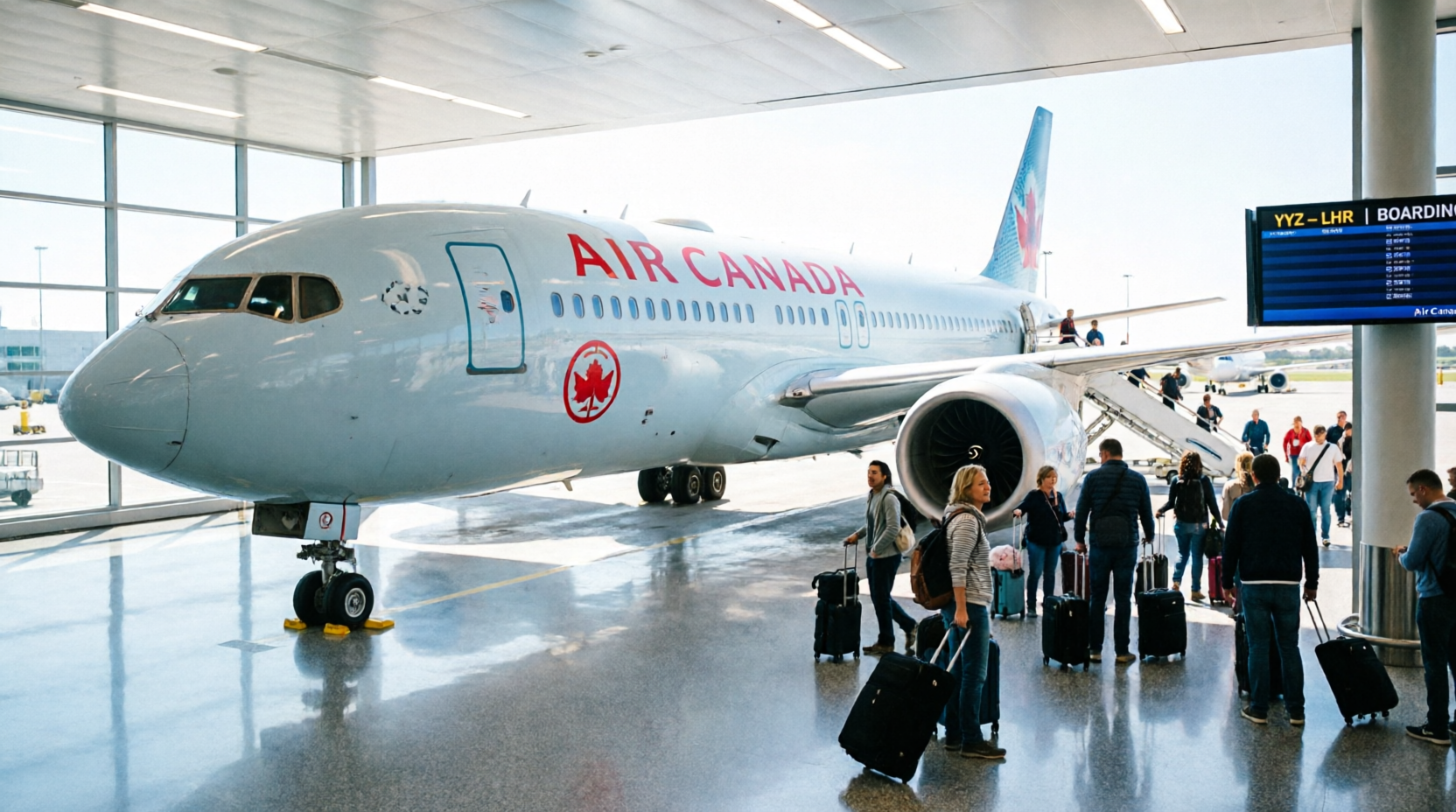
However, the recovery is not without its challenges. The airline continues to grapple with elevated operational costs, including volatile jet fuel prices and labor shortages in ground handling and maintenance sectors. Recent contract negotiations with pilot and flight attendant unions have highlighted the tension between restoring profitability and addressing workforce burnout accumulated during the pandemic years. Additionally, environmental pressures are mounting, with regulators and consumers increasingly demanding sustainable aviation practices. Air Canada has responded by accelerating its fleet renewal program and investing in sustainable aviation fuel (SAF), but the cost of this transition remains a significant factor in its long-term financial planning.
Advertisement
Looking ahead, Air Canada’s trajectory will serve as a barometer for Canada’s broader connectivity and competitiveness. A thriving national carrier is essential for attracting foreign direct investment, supporting export industries, and maintaining Canada’s status as a premier global destination. As the airline navigates the complexities of a transformed travel market, its ability to balance growth, operational resilience, and sustainability will determine whether this recovery translates into lasting strength or merely a temporary rebound. For policymakers, supporting the aviation sector’s evolution is not just about helping one company; it is about securing Canada’s place in the global economy.